Cryptocurrency, a digital or virtual currency secured by cryptography, has evolved far beyond its origins as a niche technological experiment. Today, it powers a wide range of applications that are reshaping finance, technology, and even everyday transactions. From decentralized finance to digital collectibles, its use cases continue to expand, driven by innovation and growing mainstream adoption. Below, we explore some of the most popular applications of cryptocurrency.
Decentralized Finance (DeFi): Revolutionizing Traditional Banking
One of the most transformative applications of cryptocurrency is decentralized finance (DeFi). DeFi refers to a suite of financial built on blockchain networks (like Ethereum) that eliminate intermediaries such as banks or brokers. Instead, smart contracts—self-executing code with rules embedded in them—facilitate transactions, lending, borrowing, and trading.
Popular DeFi applications include:
- Decentralized Exchanges (DEXs): Platforms like Uniswap or SushiSwap allow users to trade cryptocurrencies directly without relying on centralized exchanges, reducing counterparty risk and fees.
- Lending and Borrowing: Protocols like Aave or Compound let users lend their crypto assets to earn interest or borrow collateralized loans, all algorithmically managed.
- Yield Farming and Staking: Users can "stake" their tokens to secure a blockchain network (e.g., Ethereum 2.0) and earn rewards, or participate in yield farming to maximize returns on crypto holdings.
DeFi has opened up financial services to the unbanked and reduced barriers to entry, making it a cornerstone of crypto’s real-world utility.
Digital Payments and Remittances: Fast, Low-Cost Transactions
Cryptocurrency excels as a medium of exchange, particularly for cross-border payments and remittances. Traditional money transfers often involve high fees, slow processing times (days, in some cases), and reliance on intermediaries like banks or Western Union. Cryptocurrencies like Bitcoin, Ripple (XRP), or Stablecoins (e.g., USDC, pegged 1:1 to the US dollar) bypass these issues by enabling peer-to-peer transactions that are:
- Fast: Transactions settle in minutes (or seconds, in the case of Ripple), regardless of distance.
- Low-Cost: Minimal fees compared to traditional remittances, which can eat up 5–10% of the transfer amount.
- Accessible: Anyone with a smartphone and internet access can send or receive crypto, empowering unbanked populations in regions with limited financial infrastructure.
For example, migrants in countries like Mexico or the Philippines now use stablecoins to send money home more efficiently, avoiding the high costs of legacy systems.
Non-Fungible Tokens (NFTs): Digital Ownership and Creativity
NFTs—unique, blockchain-based tokens that represent ownership of a specific asset—have exploded in popularity, bridging cryptocurrency with art, gaming, and entertainment. Unlike cryptocurrencies like Bitcoin (which are "fungible," i.e., interchangeable), NFTs are one-of-a, making them ideal for proving authenticity and ownership of digital or physical items.
Key NFT applications include:
- Digital Art and Collectibles: Artists like Beeple have sold NFT artworks for millions of dollars, while platforms like OpenSea allow creators to tokenize and sell their work directly to collectors, eliminating galleries as intermediaries.
- Gaming and Virtual Worlds: Games like Axie Infinity use NFTs to represent in-game assets (e.g., characters, land), which players can own, trade, or use across different virtual environments.
- Music and Media: Musicians and creators tokenize albums, videos, or exclusive content, allowing fans to purchase and own a piece of their work.
NFTs have democratized access to creative markets and introduced new revenue streams for creators, making them a standout use case for crypto’s potential in the digital economy.
Store of Value and Hedge Against Inflation
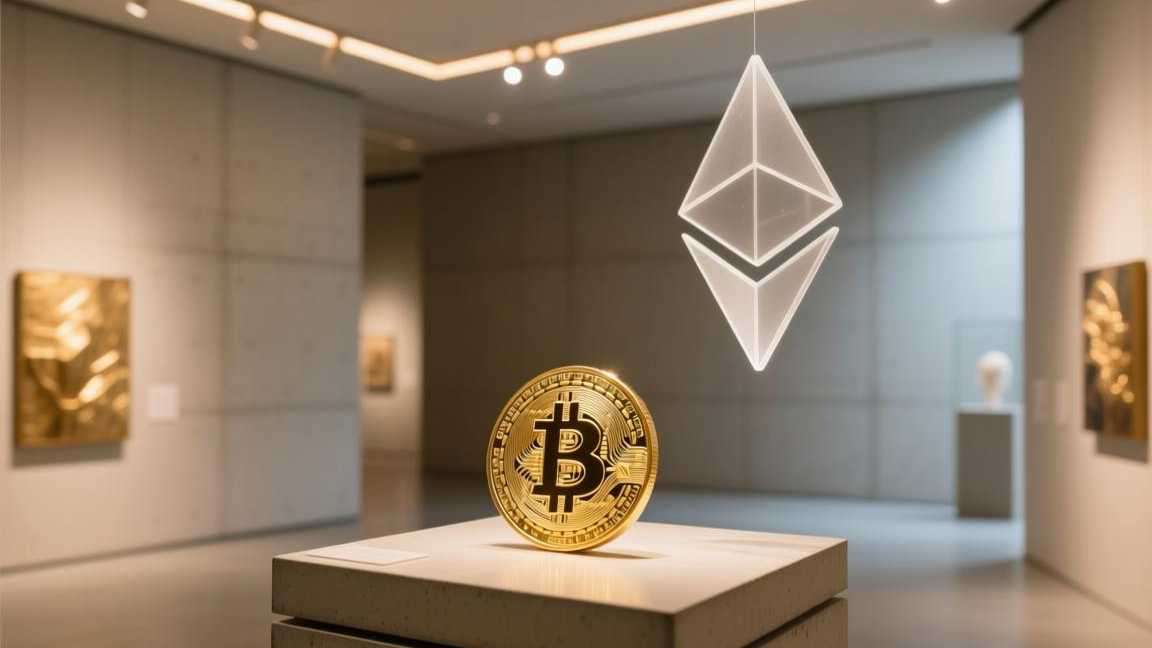
For many, cryptocurrency—particularly Bitcoin—serves as a "digital gold" or store of value. Unlike fiat currencies, which can be devalued by inflation or government monetary policy, cryptocurrencies have a fixed supply (e.g., Bitcoin’s cap of 21 million coins), making them resistant to arbitrary inflation.
During periods of economic uncertainty or high inflation (e.g., in Turkey or Argen
Enterprise and Supply Chain Solutions
Beyond consumer applications, cryptocurrencies and blockchain technology are being adopted by enterprises to streamline operations, enhance transparency, and improve security. For example:
- Supply Chain Tracking: Companies like IBM use blockchain to trace the origin of goods (e.g., food, pharmaceuticals), ensuring authenticity and reducing fraud.
- Tokenization of Assets: Real estate, stocks, and other illiquid assets can be "tokenized" into crypto tokens, enabling fractional ownership and easier trading.
- Cross-Business Payments: Corporations use cryptocurrencies to settle payments with suppliers or partners faster and more cheaply than traditional banking systems.
Conclusion
Cryptocurrency has evolved from a speculative asset to a versatile tool with applications spanning finance, art, gaming, and enterprise technology. DeFi is democratizing access to financial services, NFTs are redefining digital ownership, and cryptocurrencies are enabling faster, cheaper payments worldwide. While challenges like regulatory uncertainty and scalability remain, the growing adoption of these applications underscores cryptocurrency’s potential to reshape the global economy. As technology advances, we can expect even more innovative use cases to emerge, solidifying crypto’s role in the future of digital life.